

The Sound of a New Era
It’s the late 1960s in London. The Summer of Love is all around, and Britain is buzzing—literally—with the hum of new technology. Space travel is no longer science fiction, and pop music is flirting with synthesis alongside guitars. There’s a sense that things don’t have to stay the way they’ve always been.
Into the atmosphere arrives something small, sharp, and slightly improbable: a palm-sized black box with a flat metal keyboard printed on its surface and a wired stylus attached to the side. The Stylophone, the original pocket synth, doesn’t look like much at first glance. But once you touch the stylus to the metal keyboard and hear that bright buzz, it carries something bigger than its size suggests.
Invented by British engineer Brian Jarvis and released commercially in 1968 by Dubreq, the Stylophone was designed to be affordable, portable, and—crucially—fun. It still works the same way 60 years later. To play it, simply touch the stylus to the metal keyboard to produce an electronic tone.
It runs on batteries, can slip into a pocket, and requires no training whatsoever. At a time when Hammond organs dominated stages and Moogs took up entire rooms, the Stylophone felt refreshingly approachable. You didn’t need a studio, a producer, or even much confidence. You just needed curiosity.
David Bowie Changes Everything
Everything changed when David Bowie got his hands on one, reportedly passed to him by his friend Mark Bolan. In 1969, as the world watched the Apollo missions and stared up at the moon, Bowie released Space Oddity. Threaded through the song’s drifting melancholy is the unmistakable buzz of a Stylophone, played by Bowie himself. It was the sound of isolation, of outer space, of Major Tom floating away from Earth.
When the song was re-released in 1975, it climbed to No.1 in the UK and cracked the US Top 20. It marked the first of many chart successes for the Stylophone. The Stylophone had become part of one of the defining songs of the era.
A craze soon followed. Teenagers saved up and bought them with pocket money. Music shops struggled to keep Stylophones in stock. Serious musicians bought them with curiosity. The line between novelty and instrument blurred, and that blur turned out to be incredibly fertile ground.
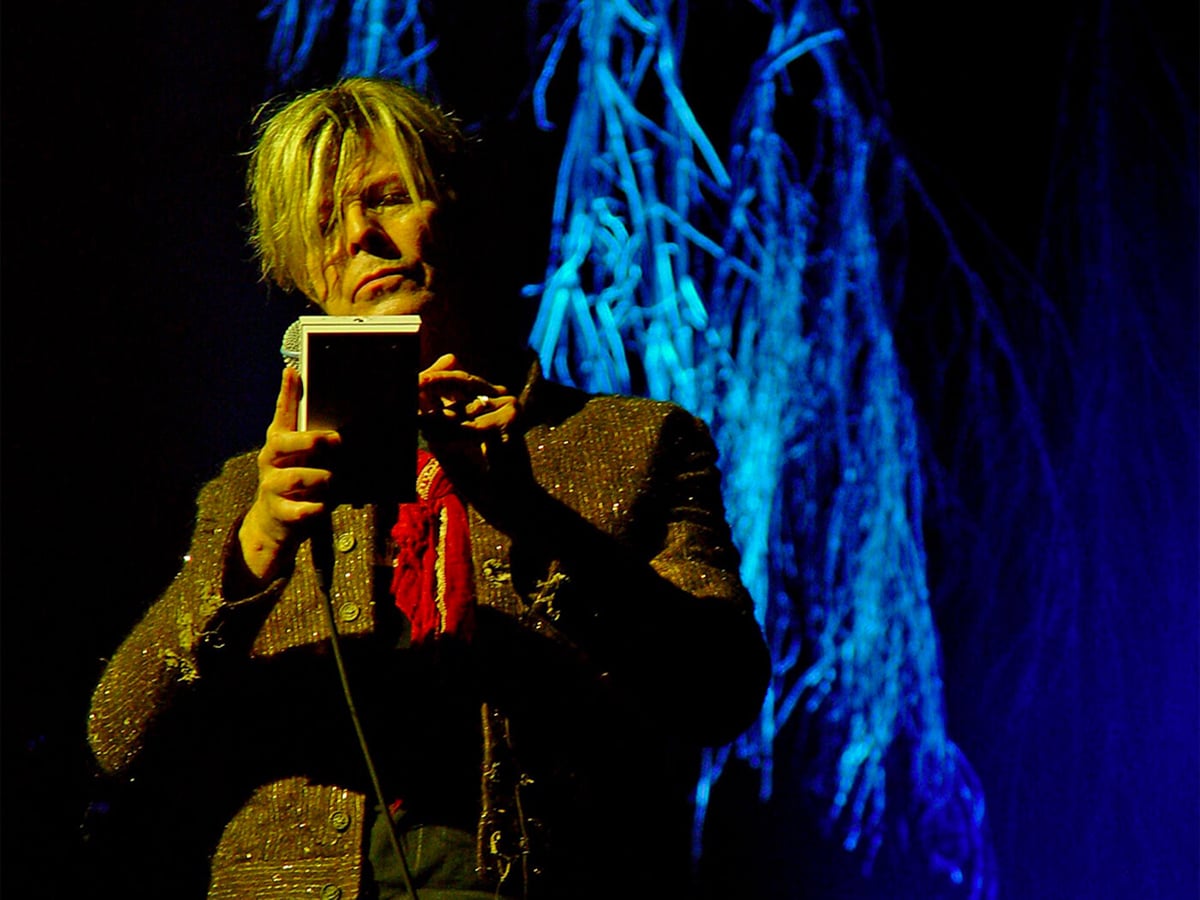
Bowie didn’t just introduce the Stylophone to a mass audience; he continued to stand by it. He returned to the instrument on tracks like After All, Slip Away and Never Get Old, took it on tour, and once said it was the only instrument he brought on holiday. Today, his white Stylophone is displayed in the permanent collection at V&A East—a quiet reminder that cultural impact doesn’t have to come in a large package.
The Stylophone’s Rise Through Popular Music
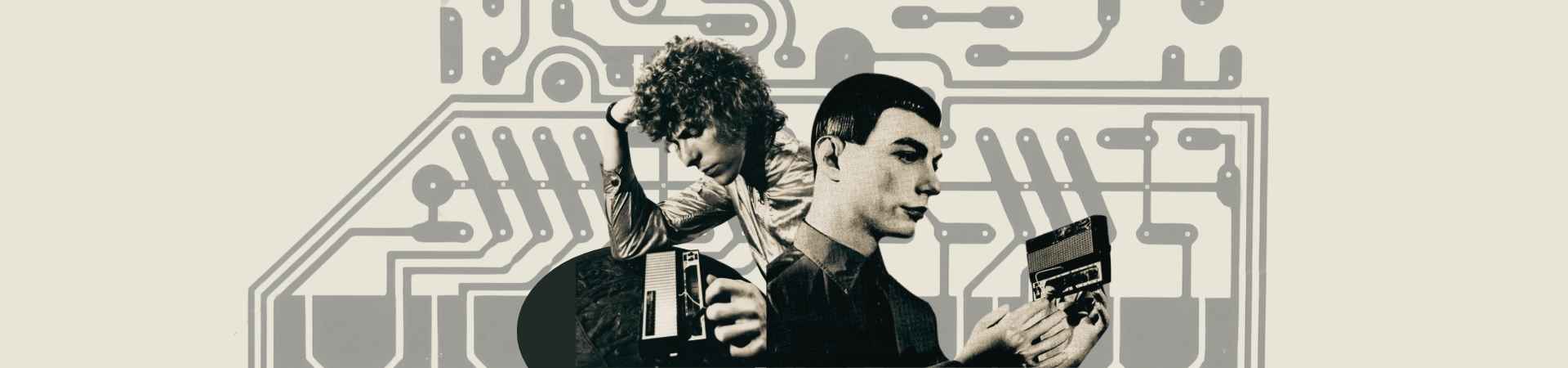
Elsewhere in Europe, Kraftwerk embraced the Stylophone’s stripped-back circuitry. Its direct, unfussy tone aligned perfectly with their belief that music could be built from simple machines and strong ideas. Even Queen—a band who once insisted on “no synths”—found room for its quirky sound on Seven Seas of Rhye.
Across the Atlantic, Blondie made it central to In the Sun, with Debbie Harry playing it live onstage at CBGB in the band’s early years. Guitarist Chris Stein later described the instrument as “central” to the track.
“I don’t exactly recall how we came upon a Stylophone in 1975-76, but I remember realising how cool it was immediately. Debbie would play it onstage, and it definitely was with us at CBGB’s. Of course, it’s central to our song In The Sun.”
By the 1990s, the instrument had become a knowing wink to the past. Jarvis Cocker of Pulp deployed it as part of Britpop’s love affair with awkwardness and irony. The buzz of the Stylophone featured throughout their early material, as well as in the layered arrangement of their Brit Pop Anthem “Common People”. Electronic duo Orbital paid direct homage with their single Style, even incorporating the Stylophone logo into the artwork.
The Stylophone’s Lasting Legacy
Into the 21st century, the Stylophone’s universal appeal has cemented its place in music history as a cultural icon. Today, in a world overflowing with limitless digital instruments, the Stylophone’s sound still cuts through. It remains bright, quirky, slightly raw, and instantly recognisable. Yet beyond the famous names and chart moments, the Stylophone’s deeper legacy lies elsewhere.
Long before laptops and bedroom studios lowered the barriers to music production, this small black box quietly suggested that you didn’t need permission to experiment. You could make electronic music anytime, anywhere. This philosophy endures. Stylophone continues to build on its rich heritage of making electronic music creation accessible to everyone through easy-to-learn, portable, and affordable instruments.
Stylophone designs fun, affordable, analog-first electronic instruments that inspire play, curiosity, and self-expression, empowering people of all backgrounds and skill levels to experiment, make noise, and discover their own sound. Through an expanding range of electronic instruments – from starter synths to ambient drone synths, filters, drum machines, samplers and sequencers – Stylophone champions a world where creativity leads, play is valued, and music creation truly belongs to everyone.